|
|
YOUR WINTER HOME MAINTENANCE CHECKLIST
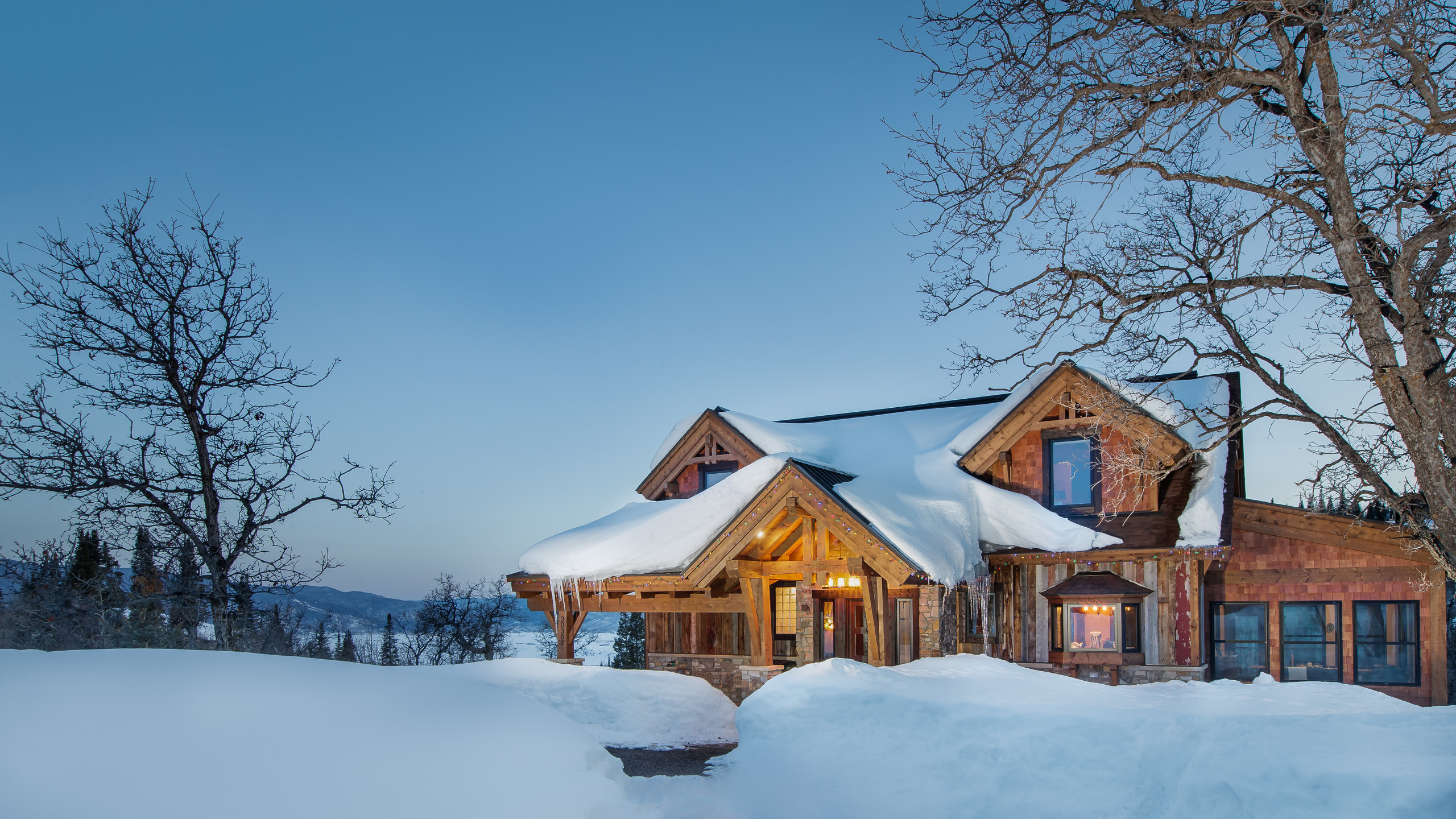
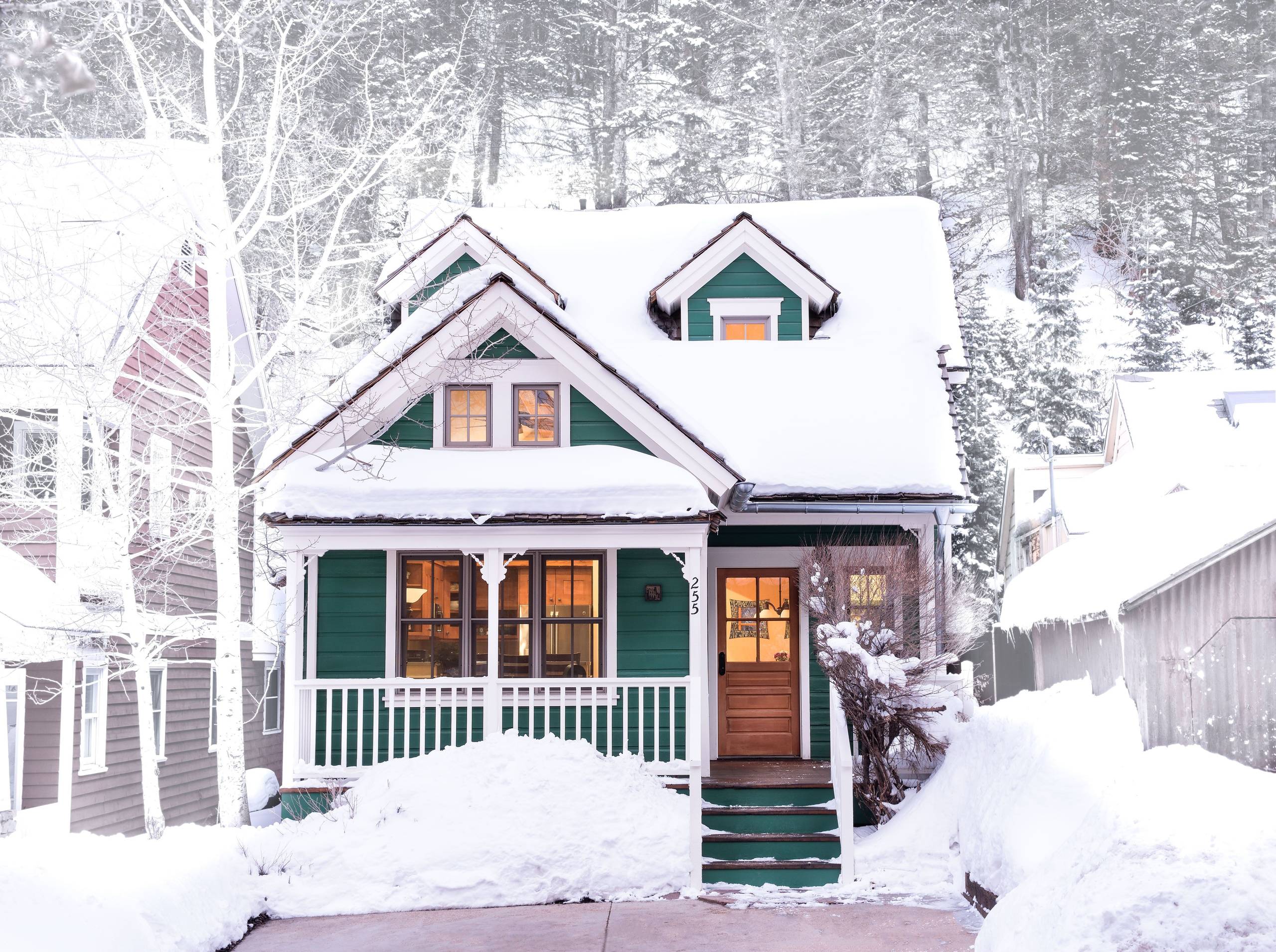
Fluffy snow and sparkling icicles may make for a winter wonderland, but they can also bring on drafts, fallen tree limbs and worse (hello, ice dams). Avoid spending your holidays handling winter-related disasters with a bit of preventative maintenance — we spoke with experts to get the lowdown on the best ways to prevent ice dams, frozen pipes and other winter woes.
Tasks to Check Off Your List in an Hour or Less
Protect entryway flooring. With tracked-in snow, ice, road salt and sand, entryway floors can really take a beating in the winter. Increase the longevity of your flooring by using floor mats both inside and outside each entrance to your home. Provide a boot scraper or brush outside for removing excess snow, and a waterproof tray inside for placing wet shoes and boots.
Check your emergency supplies. With winter storms comes more potential for power outages — be prepared with fresh bottled water, shelf-stable foods, flashlights, batteries, first-aid supplies and a hand-crank radio and smartphone charger.
Find a building professional on Houzz
Check batteries in smoke and carbon monoxide detectors monthly. This is especially important during winter, when we keep windows closed and use wood-burning stoves and fireplaces more often. Make sure you have smoke and carbon monoxide detectors in each bedroom, on each floor of the house and in the kitchen. Check detectors monthly and change batteries as needed.
Tackle These To-Dos Over a Weekend
Stay ahead of ice dams. Ice dams form because the edges of a home’s roof are colder than the upper regions (where more insulation is below), causing ice to form around the eaves. Snow melts above, and the melted snow backs up behind a “dam” of ice, potentially causing leaks and permanent damage to the roof and home — if you’ve ever experienced an ice dam on your roofline, you know what a nightmare it can be. We spoke with Gerry Dunleavy, owner of Gerry Dunleavy Construction in Winchester, Massachusetts, to find out how to prevent ice dams from forming, and what to do if you notice one getting started. (Hint: Prevention is far easier than treatment!)
Before winter weather sets in:
- Remove debris from gutters — water can back up, causing leaks and ice dams or damage to your roof and siding.
- Inspect and upgrade attic insulation and ventilation.
- Purchase a roof rake.
- Remove snow as quickly as possible from the roof after storms. Use your roof rake to regularly remove it (or hire someone to do this for you).
What to do if you notice the beginnings of an ice dam:
- Carefully remove snow and ice if possible without damaging roof and gutters.
- If you have heat cables, turn them on. Heat cables cannot prevent or fully remove ice dams, but can melt enough of the ice to create a channel for water to flow out, preventing some damage.
Keep an eye on trees. Big snowfalls can settle onto tree limbs, making them heavy and more prone to breaking — which can be especially dangerous if a tree is within reach of your house. Ease the burden on your trees by brushing off snow after each snowfall, using a broom to extend your reach. Don’t shake the tree to remove snow, since this can cause brittle limbs to break. Proper tree maintenance in the fall, paired with regular snow removal, should help prevent breakage — but if a limb does fall during winter, have it removed as soon as weather permits.
Find a tree-service provider in the Houzz pro directory
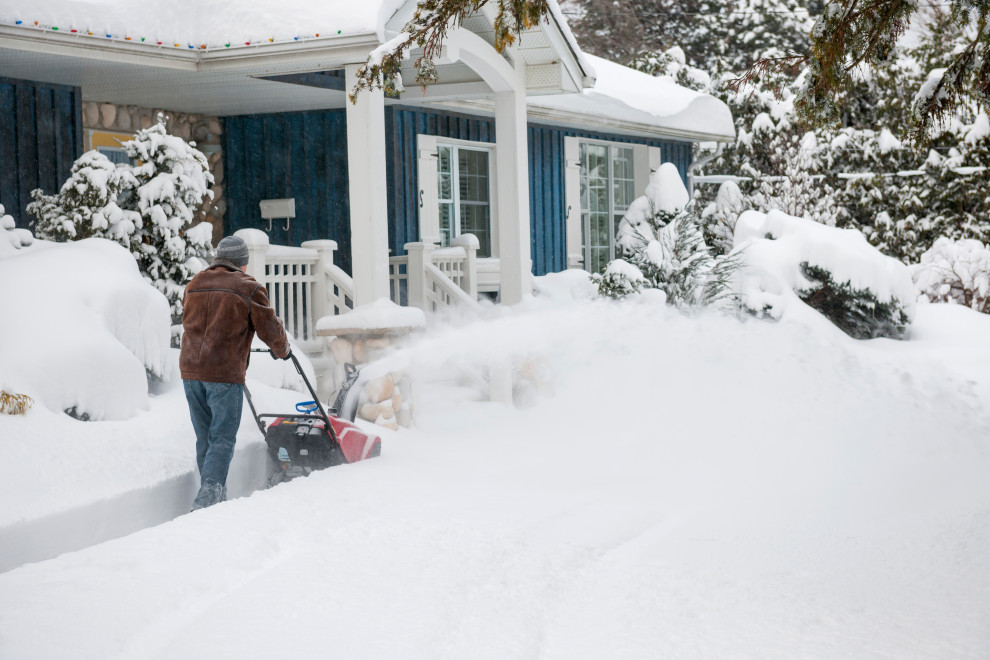
Keep paths cleared of snow and ice. Regular shoveling (or snow blowing) is the best way to keep walkways, driveways and sidewalks safe and ice-free all winter. Keep some pet- and plant-safe ice melt or sand on hand to provide traction on stairs and other slippery areas, and flag the edges of your driveway and sidewalk so you know where to stop shoveling when the snow gets deep.
If you plan to be away during the season (and your area gets snow), hire a service in advance to clear the snow while you are away. Some cities give tickets if you allow the sidewalk in front of your home to become impassable, because this creates unsafe conditions for pedestrians.
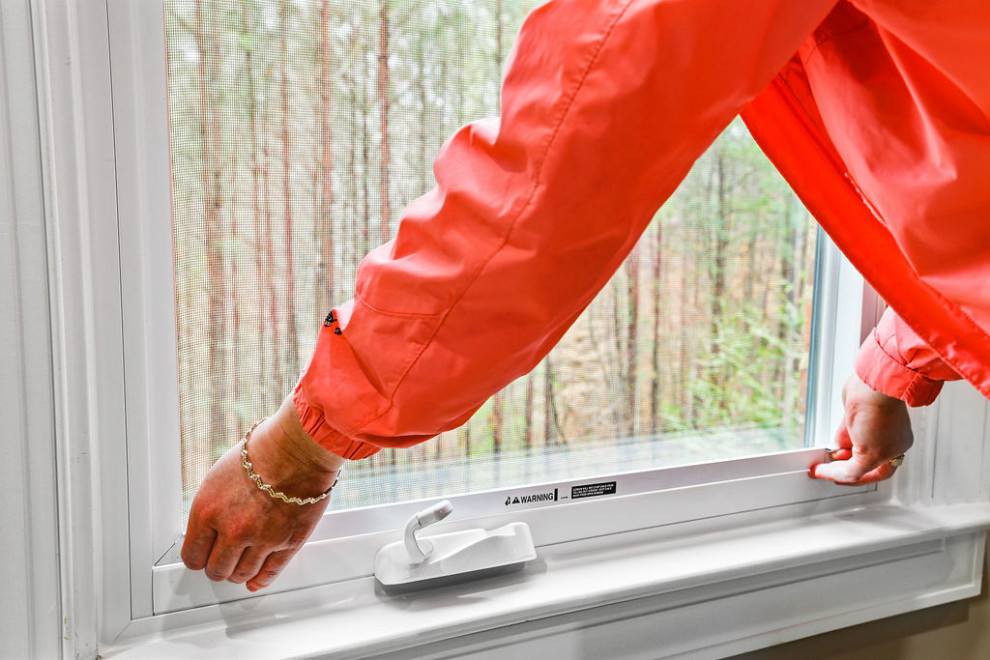
Stop cold air from getting in. Feel a cold breeze? Take action in early winter as soon as you notice a problem. Boost your home’s energy efficiency and stop cold air in its tracks with these tips from Dunleavy:
- Check and repair caulking around doors and windows and anywhere something penetrates a wall, like outside faucets and air vents.
- Check weatherstripping on doors and windows.
- Seal cracks in foundation walls.
Maintenance and Extras to Budget for This Month
Have your fireplace cleaned. If you haven’t done so yet, have your fireplace cleaned by a certified chimney sweep. Regular cleaning is a necessary safety measure for wood-burning fireplaces and wood stoves, since buildup of creosote (from past fires) inside the chimney can potentially cause a house fire. Gas fireplaces should be checked too — even though gas is a clean-burning fuel, there could be an old nest or other debris blocking the chimney.
Find a chimney sweep on Houzz
Plan a cool-season vegetable garden. Winter is a great time to sit down with a pile of seed catalogs and plan what you would like to grow in the coming year. As winter winds down, you can even get an early start by starting seeds indoors or building a cold frame to help your vegetable seedlings transition to the great outdoors.
How to Start a Cool-Season Vegetable Garden
Prevent frozen pipes. Because water expands as it freezes, frozen pipes can burst, leading to extensive water damage and costly repairs. We spoke with Gaëlle Gagne, owner and vice president of Galeforce Home Services in Auburn, New Hampshire, to find out how to keep pipes safe in winter.
Steps to prevent pipes from freezing in winter:
- Insulate pipes — at least those by windows and doors, and in unheated areas of the home.
- Disconnect your hose from the outside hose bib (outside faucet).
- If prone to freezing, leave faucets dripping slightly — the theory is that running water does not freeze.
- Keep the heat set no lower than 55 degrees Fahrenheit (12.7 degrees Celsius) when you are away.
Too late? Here’s what to do if a pipe freezes:
- Turn on the tap of the frozen pipe and leave it open while treating the pipe.
- Allow warm air to flow safely to the affected area — always use any heat source (electric heating pad, blow dryer, space heater) safely to avoid potential harm and damage to your home and its occupants.
- If you’ve found one frozen pipe, check all the taps in the house — if only a drip comes out, there is likely another frozen pipe.
- If you cannot access the frozen pipe, or if your efforts to thaw it do not work, call a licensed plumber.
Safely display holiday lights. Artful holiday light displays are one of the things that make the winter season magical. Light up your home while staying fire-safe by checking that all light strands and extension cords are UL-certified and designed for outdoor use. Plug lights into a ground-fault circuit interrupter (GFCI) outlet, and do not run cords from outside to an indoor outlet.
How to Hang Your Holiday Lights
Keep heating system running smoothly. If you notice any strange new noises coming from your heaters, or if one area of the house suddenly seems colder, have the system looked at right away, as these can be signs something is wrong. Wondering how to properly maintain your heating system? Gagne shares these tips:
- If you heat with oil, have your furnace or boiler cleaned every year.
- If you heat with gas, you can have it done every three years or so.
- Make sure to change the air filters in your furnace regularly.
- For high-efficiency heating systems, make sure that PVC vent pipes are cleared of snow and debris.
-
Fluffy snow and sparkling icicles may make for a winter wonderland, but they can also bring on drafts, fallen tree limbs and worse (hello, ice dams). Avoid spending your holidays handling winter-related disasters with a bit of preventative maintenance — we spoke with experts to get the lowdown on the best ways to prevent ice dams, frozen pipes and other winter woes.
Tasks to Check Off Your List in an Hour or Less
Protect entryway flooring. With tracked-in snow, ice, road salt and sand, entryway floors can really take a beating in the winter. Increase the longevity of your flooring by using floor mats both inside and outside each entrance to your home. Provide a boot scraper or brush outside for removing excess snow, and a waterproof tray inside for placing wet shoes and boots.
Check your emergency supplies. With winter storms comes more potential for power outages — be prepared with fresh bottled water, shelf-stable foods, flashlights, batteries, first-aid supplies and a hand-crank radio and smartphone charger.
Find a building professional on Houzz
Check batteries in smoke and carbon monoxide detectors monthly. This is especially important during winter, when we keep windows closed and use wood-burning stoves and fireplaces more often. Make sure you have smoke and carbon monoxide detectors in each bedroom, on each floor of the house and in the kitchen. Check detectors monthly and change batteries as needed.
Tackle These To-Dos Over a Weekend
Stay ahead of ice dams. Ice dams form because the edges of a home’s roof are colder than the upper regions (where more insulation is below), causing ice to form around the eaves. Snow melts above, and the melted snow backs up behind a “dam” of ice, potentially causing leaks and permanent damage to the roof and home — if you’ve ever experienced an ice dam on your roofline, you know what a nightmare it can be. We spoke with Gerry Dunleavy, owner of Gerry Dunleavy Construction in Winchester, Massachusetts, to find out how to prevent ice dams from forming, and what to do if you notice one getting started. (Hint: Prevention is far easier than treatment!)
Before winter weather sets in:
- Remove debris from gutters — water can back up, causing leaks and ice dams or damage to your roof and siding.
- Inspect and upgrade attic insulation and ventilation.
- Purchase a roof rake.
- Remove snow as quickly as possible from the roof after storms. Use your roof rake to regularly remove it (or hire someone to do this for you).
What to do if you notice the beginnings of an ice dam:
- Carefully remove snow and ice if possible without damaging roof and gutters.
- If you have heat cables, turn them on. Heat cables cannot prevent or fully remove ice dams, but can melt enough of the ice to create a channel for water to flow out, preventing some damage.
Keep an eye on trees. Big snowfalls can settle onto tree limbs, making them heavy and more prone to breaking — which can be especially dangerous if a tree is within reach of your house. Ease the burden on your trees by brushing off snow after each snowfall, using a broom to extend your reach. Don’t shake the tree to remove snow, since this can cause brittle limbs to break. Proper tree maintenance in the fall, paired with regular snow removal, should help prevent breakage — but if a limb does fall during winter, have it removed as soon as weather permits.
Find a tree-service provider in the Houzz pro directory
Keep paths cleared of snow and ice. Regular shoveling (or snow blowing) is the best way to keep walkways, driveways and sidewalks safe and ice-free all winter. Keep some pet- and plant-safe ice melt or sand on hand to provide traction on stairs and other slippery areas, and flag the edges of your driveway and sidewalk so you know where to stop shoveling when the snow gets deep.
If you plan to be away during the season (and your area gets snow), hire a service in advance to clear the snow while you are away. Some cities give tickets if you allow the sidewalk in front of your home to become impassable, because this creates unsafe conditions for pedestrians.
Stop cold air from getting in. Feel a cold breeze? Take action in early winter as soon as you notice a problem. Boost your home’s energy efficiency and stop cold air in its tracks with these tips from Dunleavy:
- Check and repair caulking around doors and windows and anywhere something penetrates a wall, like outside faucets and air vents.
- Check weatherstripping on doors and windows.
- Seal cracks in foundation walls.
Maintenance and Extras to Budget for This Month
Have your fireplace cleaned. If you haven’t done so yet, have your fireplace cleaned by a certified chimney sweep. Regular cleaning is a necessary safety measure for wood-burning fireplaces and wood stoves, since buildup of creosote (from past fires) inside the chimney can potentially cause a house fire. Gas fireplaces should be checked too — even though gas is a clean-burning fuel, there could be an old nest or other debris blocking the chimney.
Find a chimney sweep on Houzz
Plan a cool-season vegetable garden. Winter is a great time to sit down with a pile of seed catalogs and plan what you would like to grow in the coming year. As winter winds down, you can even get an early start by starting seeds indoors or building a cold frame to help your vegetable seedlings transition to the great outdoors.
How to Start a Cool-Season Vegetable Garden
Prevent frozen pipes. Because water expands as it freezes, frozen pipes can burst, leading to extensive water damage and costly repairs. We spoke with Gaëlle Gagne, owner and vice president of Galeforce Home Services in Auburn, New Hampshire, to find out how to keep pipes safe in winter.
Steps to prevent pipes from freezing in winter:
- Insulate pipes — at least those by windows and doors, and in unheated areas of the home.
- Disconnect your hose from the outside hose bib (outside faucet).
- If prone to freezing, leave faucets dripping slightly — the theory is that running water does not freeze.
- Keep the heat set no lower than 55 degrees Fahrenheit (12.7 degrees Celsius) when you are away.
Too late? Here’s what to do if a pipe freezes:
- Turn on the tap of the frozen pipe and leave it open while treating the pipe.
- Allow warm air to flow safely to the affected area — always use any heat source (electric heating pad, blow dryer, space heater) safely to avoid potential harm and damage to your home and its occupants.
- If you’ve found one frozen pipe, check all the taps in the house — if only a drip comes out, there is likely another frozen pipe.
- If you cannot access the frozen pipe, or if your efforts to thaw it do not work, call a licensed plumber.
Safely display holiday lights. Artful holiday light displays are one of the things that make the winter season magical. Light up your home while staying fire-safe by checking that all light strands and extension cords are UL-certified and designed for outdoor use. Plug lights into a ground-fault circuit interrupter (GFCI) outlet, and do not run cords from outside to an indoor outlet.
How to Hang Your Holiday Lights
Keep heating system running smoothly. If you notice any strange new noises coming from your heaters, or if one area of the house suddenly seems colder, have the system looked at right away, as these can be signs something is wrong. Wondering how to properly maintain your heating system? Gagne shares these tips:
- If you heat with oil, have your furnace or boiler cleaned every year.
- If you heat with gas, you can have it done every three years or so.
- Make sure to change the air filters in your furnace regularly.
- For high-efficiency heating systems, make sure that PVC vent pipes are cleared of snow and debris.
Original Source: https://www.houzz.com/magazine/your-winter-home-maintenance-checklist-stsetivw-vs~55572864
|
|
|
|
|
|



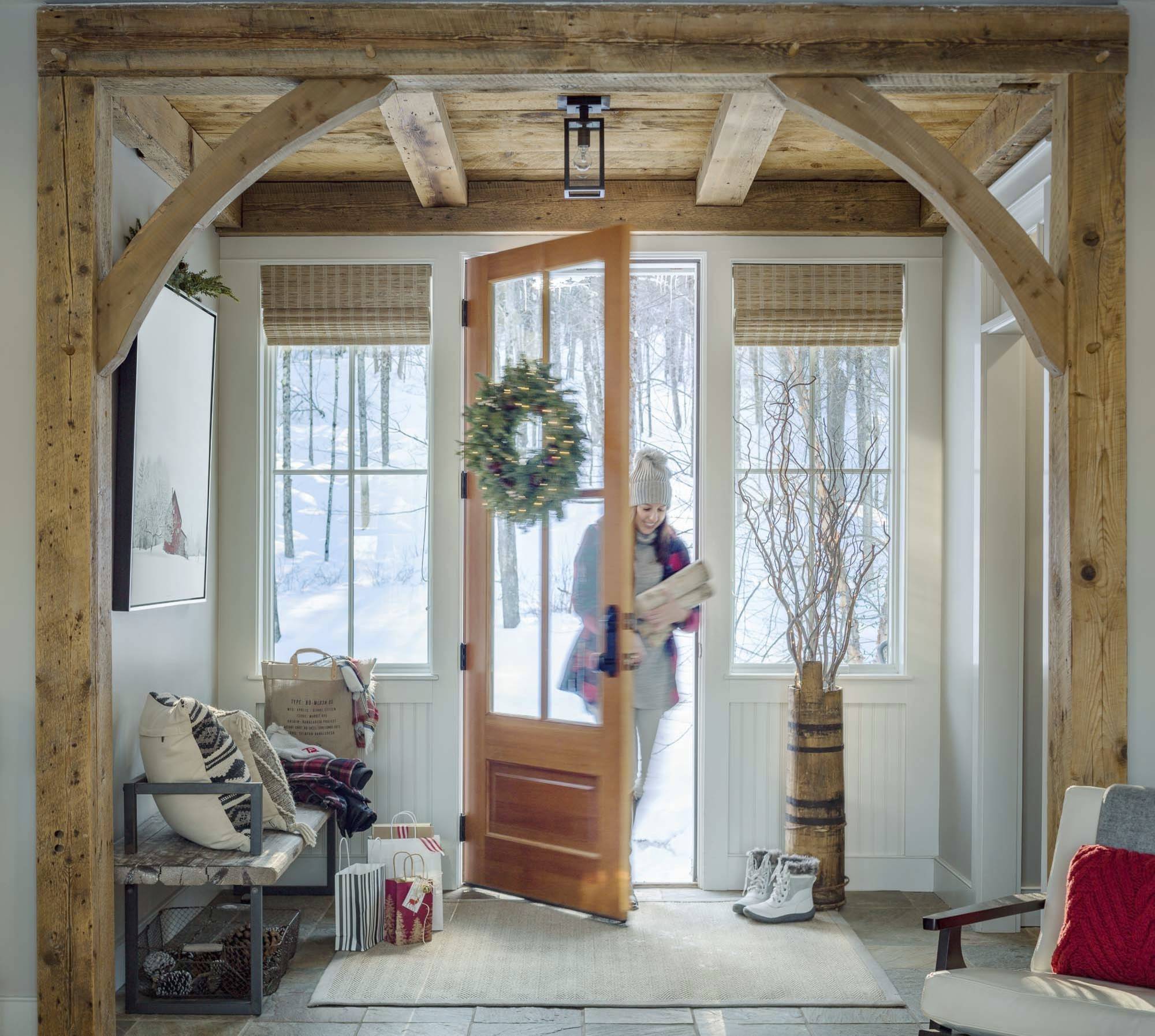

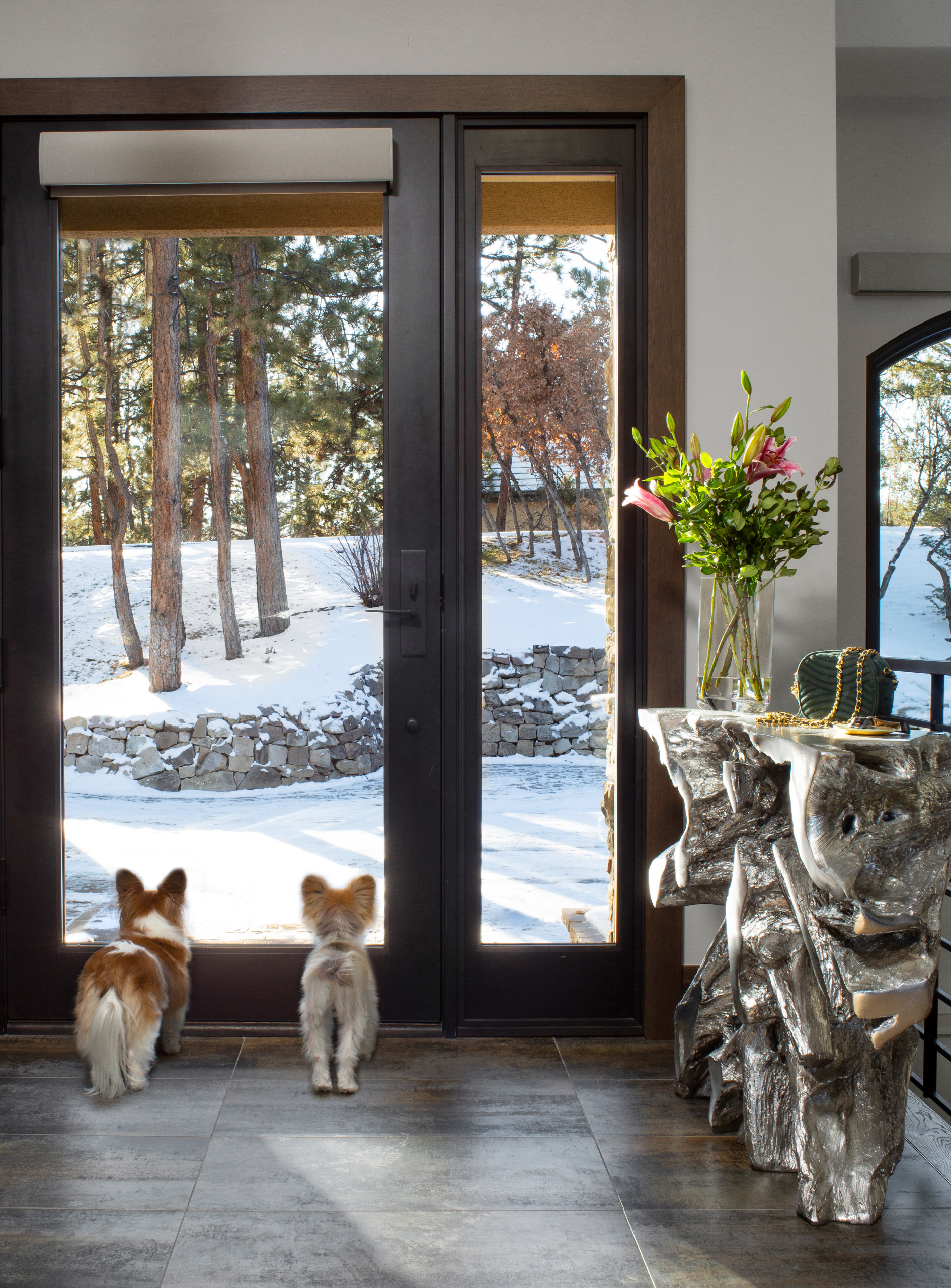







Protect entryway flooring. With tracked-in snow, ice, road salt and sand, entryway floors can really take a beating in the winter. Increase the longevity of your flooring by using floor mats both inside and outside each entrance to your home. Provide a boot scraper or brush outside for removing excess snow, and a waterproof tray inside for placing wet shoes and boots.
Check your emergency supplies. With winter storms comes more potential for power outages — be prepared with fresh bottled water, shelf-stable foods, flashlights, batteries, first-aid supplies and a hand-crank radio and smartphone charger.
Find a building professional on Houzz